● Background:
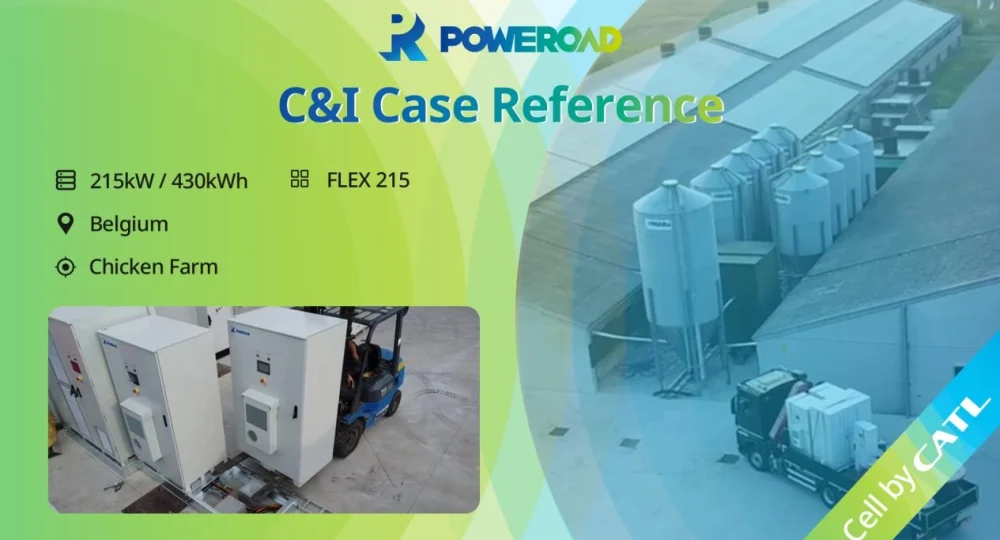
Energy-intensive agricultural operations, such as chicken farms, face unique challenges in managing power costs and grid dependency. A farm in Belgium home to 80,000 broiler chickens, required a smarter energy solution to tackle rising electricity costs and maximize the use of its 230 kWp PV system. This farm sought to integrate a renewable energy solution to:
- Increase self-supply by using surplus solar energy for its operations.
- Generate additional income by actively participating in Belgium’s imbalance market.
● Challenges:
- High Grid Dependency: The farm’s reliance on grid electricity exposed it to high demand charges.
- Underutilized Solar Energy: A significant portion of the solar energy produced (290 MWh annually) was injected into the grid, limiting its benefits to the farm.
- Revenue Opportunities: The farm lacked access to tools to monetize its surplus energy efficiently in the imbalance market.
● Solution:
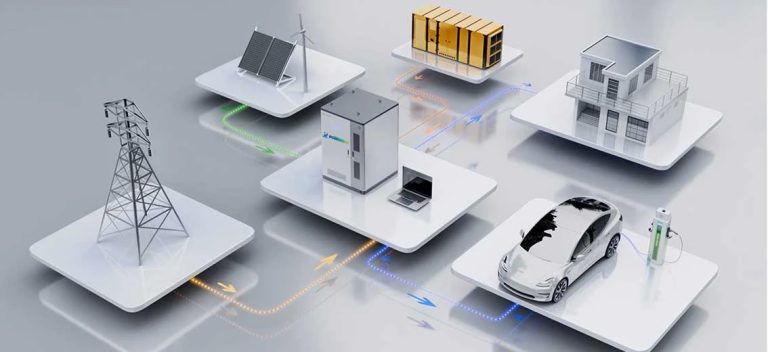
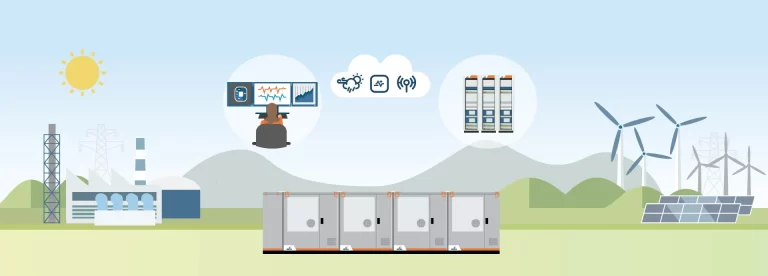
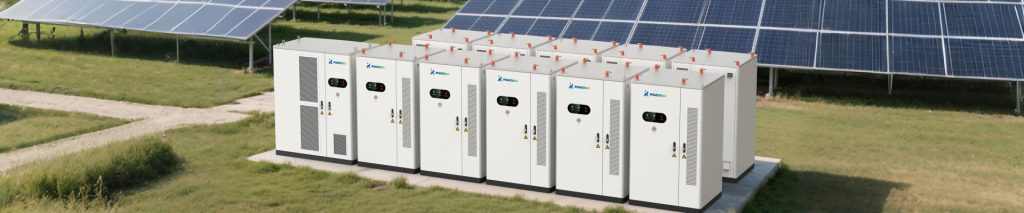
POWEROAD’s FLEX 215 Шафа повітряного охолодження ESS для зовнішнього застосування was deployed as the cornerstone of this PV+ESS project, addressing the farm’s energy challenges:
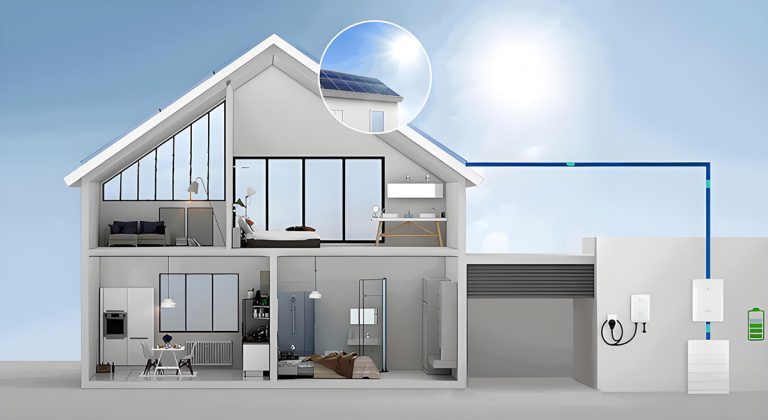
- Enhanced Self-Sufficiency: With a 215kW / 430kWh capacity, the system stores surplus solar power during the day for use during peak demand periods, reducing grid reliance.The farm now maximizes the use of its PV system, decreasing grid dependency and lowering operational costs.
- Operational Savings: Reduced demand charges and grid costs lower operational expenses, improving profitability.
- Increased Revenue: By integrating into the imbalance market, the farm can sell excess power during grid shortages, turning energy assets into a revenue stream.
- Cost Efficiency: Lower demand charges and optimized energy usage significantly reduce the farm’s electricity expenses and contributeto grid stability.
This project demonstrates the transformative potential of POWEROAD’s FLEX215 ESS in agriculture. By integrating clean energy with advanced рішення для зберігання енергії, the Belgian chicken farm achieves sustainability, cost efficiency, and energy independence—leading the way for green innovation in farming.