
Sfondo:
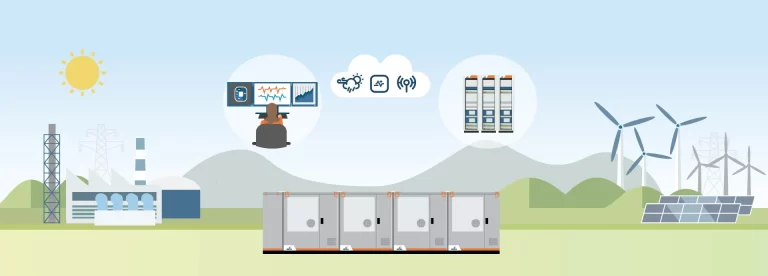
The Dutch electricity market is evolving due to the rising share of renewable energy. This transformation brings both challenges and opportunities.
A pig farm in the Netherlands sought a sustainable energy solution to reduce electricity costs, enhance energy efficiency, and support grid stability.
Challenges:
The pig farm had no on-site power generation or ability to shift its electricity consumption. This left the farm fully exposed to volatile electricity tariffs, particularly during peak demand periods when prices surged. They were looking for a smarter way to manage electricity usage and reduce exposure to market fluctuations, which highlighted the need for a more flexible and resilient energy solution.
Soluzione:
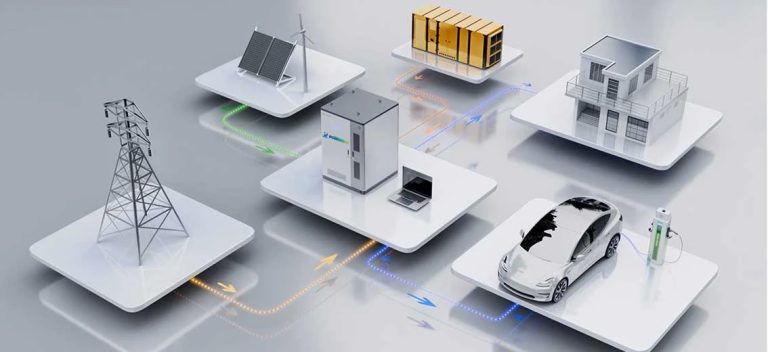
POWEROAD provided FLEX 215 Outdoor Cabinet ESS with a capacity of 1.5 MW / 3 MWh. Once connected to the grid, the ESS enabled the farm to:
✅ Riduzione dei picchi: Discharging stored energy during grid peak hours, reducing peak demand charges, and improving energy cost efficiency.
✅ Cost Reduction: By charging the battery during low-price periods and discharging during peak hours, leveraging dynamic electricity pricing.
✅ Grid Balancing: Participate in the imbalance market, the system responds to grid fluctuations and gets revenue for supporting grid stability.
Valore del progetto:
- Energy Flexibility: With on-site storage, the farm has better control over when and how it uses electricity, creating opportunities for smarter energy use in the future.
- Grid Contribution: By helping stabilize the electricity grid, the farm is playing a direct role in supporting the national energy transition — a great example of rural contribution to clean energy goals.
- New Revenue Stream: The farmer now earns additional income by trading stored energy in the imbalanced market, improving overall profitability.

POWEROAD’s FLEX 215 ESS enables the pig farm to store energy efficiently and use it strategically, transforming it from a traditional energy consumer into an active participant in the imbalance market — contributing to both operational efficiency and grid stability.