 Global
 Americas
 Deutsch
 Español
 Italiano
 Polski
Project Information
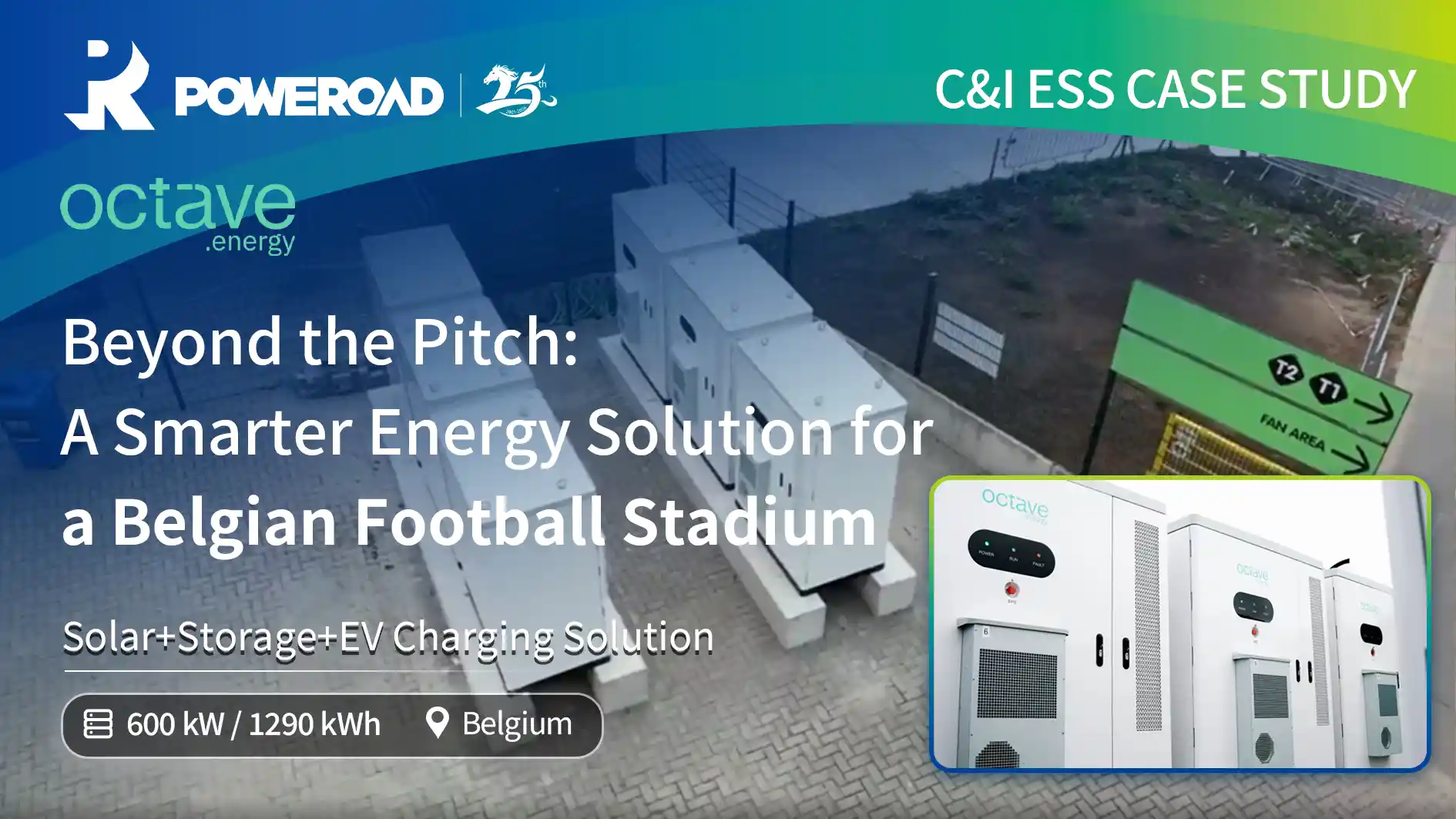
Solution: 600 kW / 1290 kWh, FLEX 215 AIO
Location: Belgium
Scenario: Football Stadium
Application:
- PV Self-consumption
- Peak Shaving
- EV Charging Support
Profit Model:
- Self-sufficiency
- Demand Charge Reduction
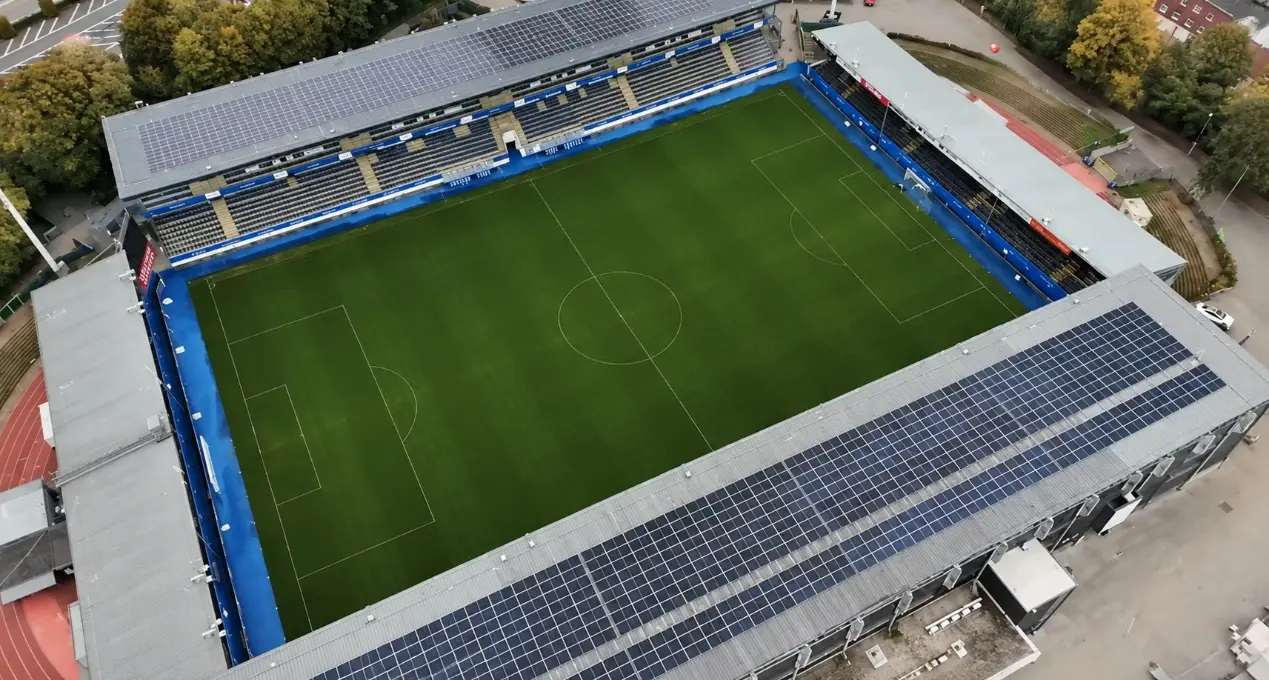
Football is more than a game—it brings communities together, creates unforgettable moments, and connects millions of fans around the world.
As football continues to inspire global attention, sports venues are also looking beyond the pitch, exploring how they can operate more sustainably while delivering the best experience for fans.
This Belgian football stadium is one example of how renewable energy and smart energy management can help build the future of greener sports facilities.
Background
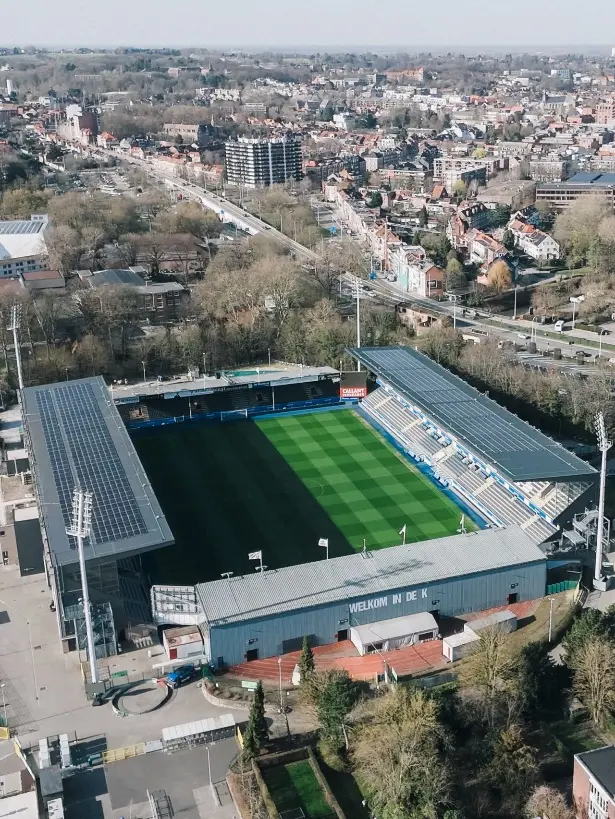
Established in 2002, this well-known football stadium in Belgium has become a popular destination for local fans and community events.
With a seating capacity of over 10,000, the stadium regularly hosts league matches and cultural gatherings, creating a vibrant space where sports and community life come together.
To support its long-term sustainable development, the stadium sought innovative solutions to improve energy efficiency, increase energy flexibility, and make better use of renewable energy.
Challenge
Operating a modern football stadium requires significant energy consumption, from lighting and HVAC systems to daily facility operations.
Especially during periods of high demand, managing electricity costs while maintaining a comfortable environment for fans and visitors can be challenging.
The stadium aimed to:
- Reduce peak electricity demand
- Maximize the use of on-site solar energy
- Build a more sustainable and resilient energy system
Solution
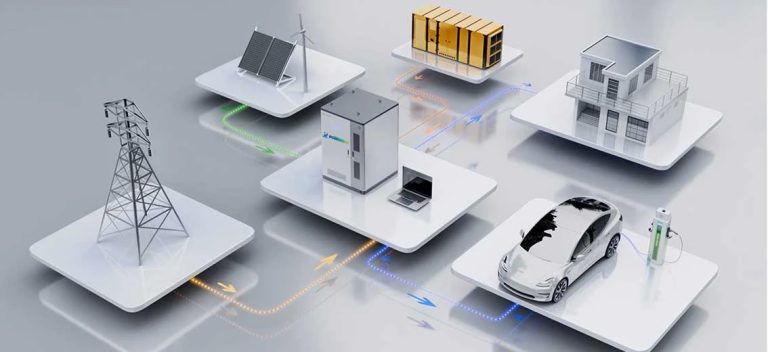
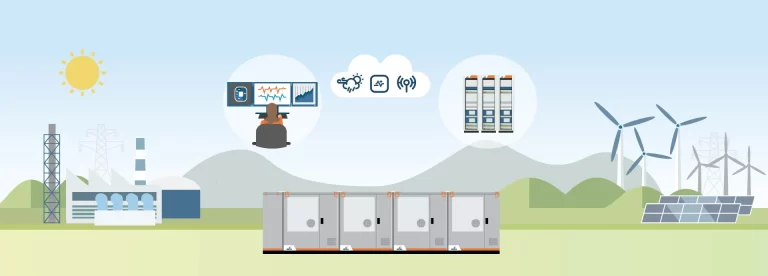
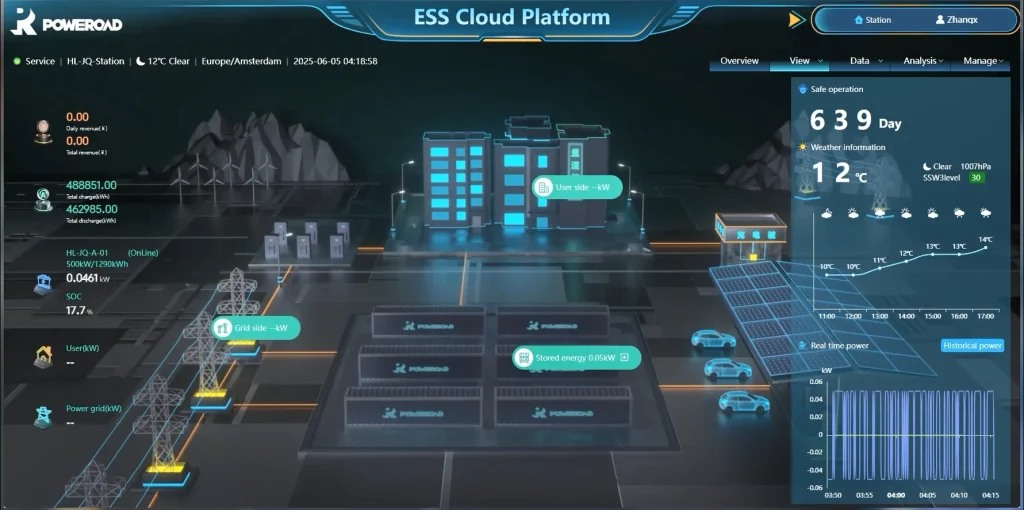
To address these challenges, the stadium implemented an integrated renewable energy solution combining solar generation, battery energy storage, and EV charging infrastructure.
The energy transformation was supported by collaboration across the energy ecosystem, involving Octave, Eneco Belgium, ExtraPower / ExtraVolt and POWEROAD to bring together renewable energy generation, battery storage, and intelligent energy management.
-
Solar Power Generation
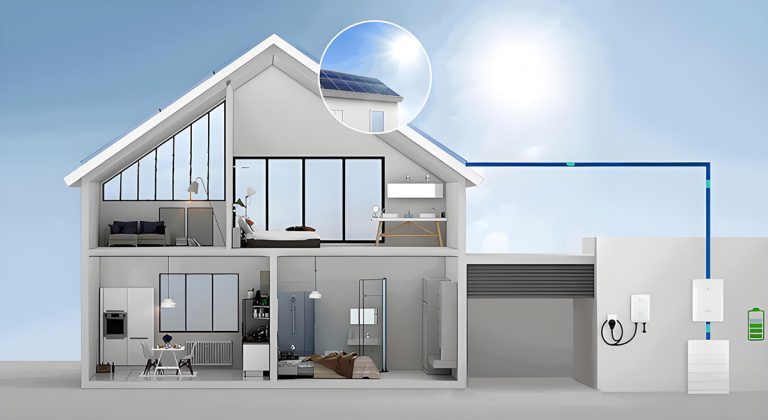
More than 1,000 solar panels installed on the stadium roof generate approximately 475,000 kWh of renewable electricity annually, supplying a significant portion of the stadium’s daily energy demand.
-
Battery Energy Storage
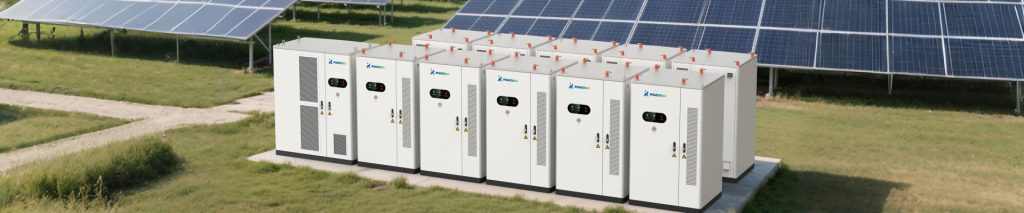
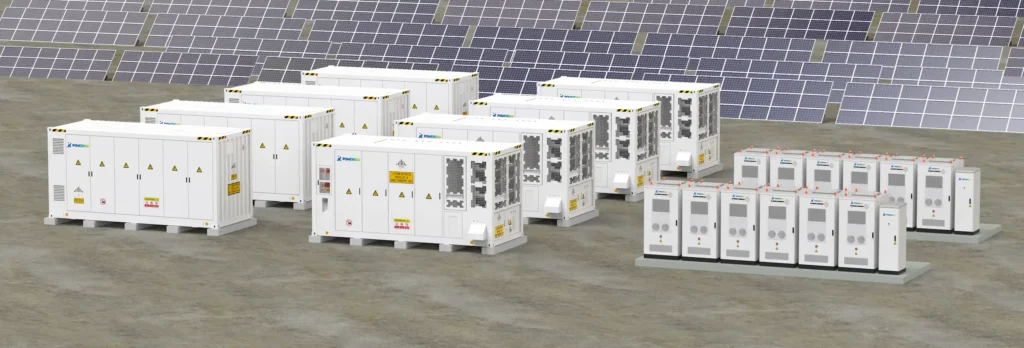
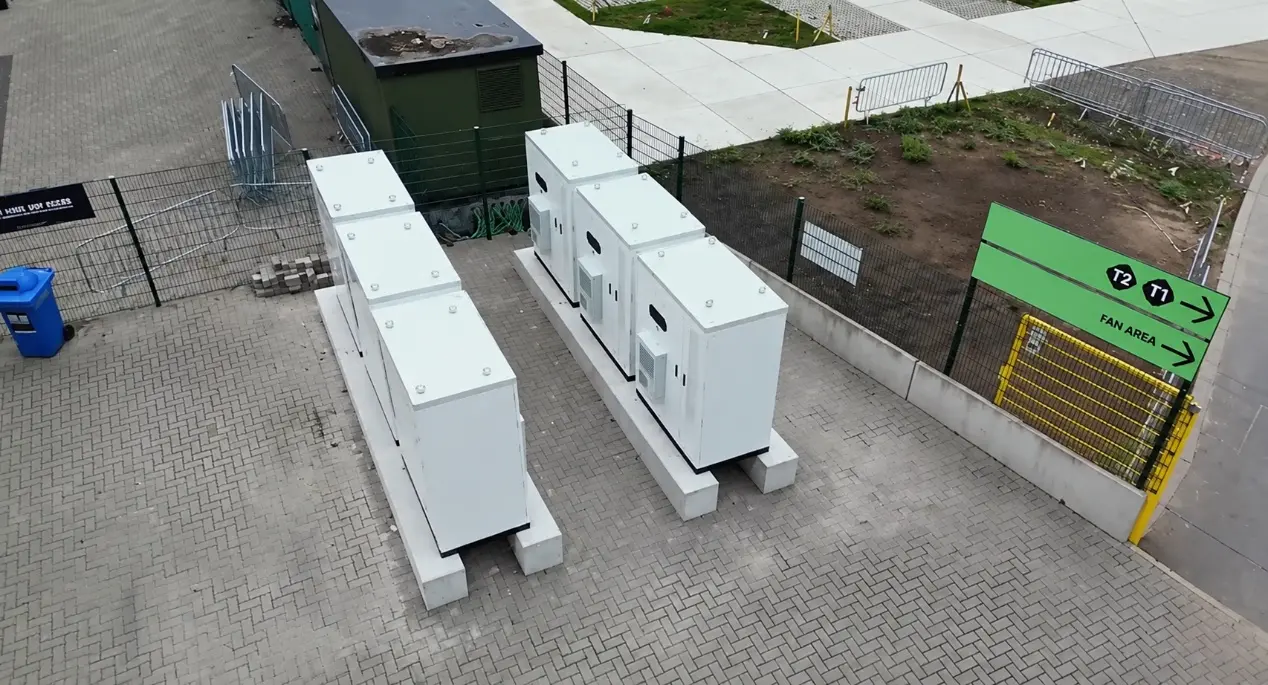
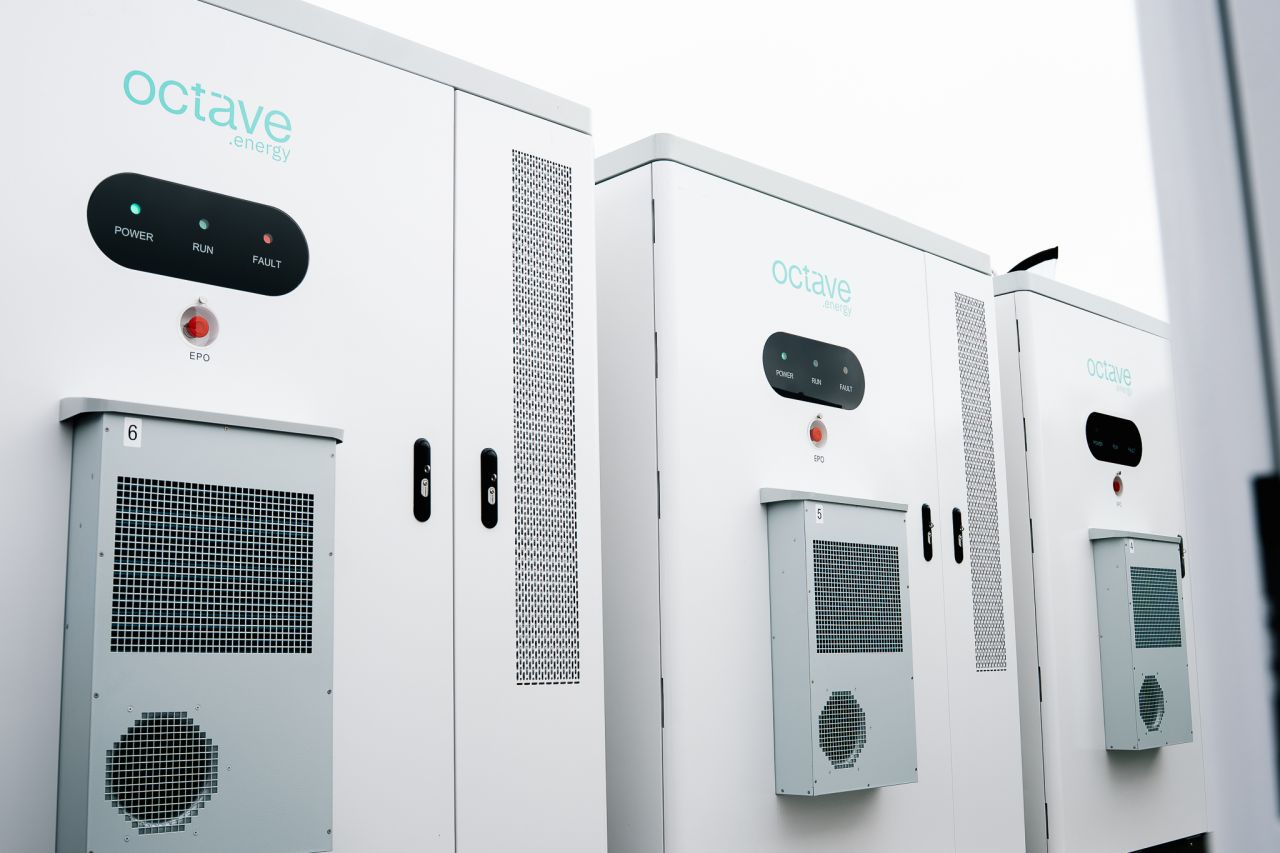
The battery energy storage system features six POWEROAD FLEX 215 All-in-One ESS units, delivering a total output of 600 kW and 1,290 kWh of storage capacity.
The system stores surplus solar energy generated during the day and releases it when electricity demand is highest, helping the stadium manage peak energy demand, increase self-consumption of renewable energy, and improve overall operational efficiency.
-
EV Charging Infrastructure
To further support sustainable mobility, 14 EV charging points were installed around the stadium, providing convenient charging services for electric vehicles during matches and events.
Project Value
By integrating solar generation, battery storage, and EV charging infrastructure, the stadium has taken an important step toward becoming a smarter and more sustainable sports venue.
The battery energy storage system helps maximize renewable energy utilization, improve energy flexibility, and reduce reliance on grid electricity during periods of peak demand.
This project also demonstrates how collaboration across the energy ecosystem can accelerate the transition toward lower-carbon sports infrastructure and help create more resilient, efficient, and future-ready public venues.
As sports venues continue to pursue lower-carbon operations, integrated energy solutions like this are helping ensure that sustainability becomes part of every match day—not just behind the scenes, but as part of the future of modern stadium infrastructure.