 Global
 Americas
 Deutsch
 Español
 Italiano
 Polski

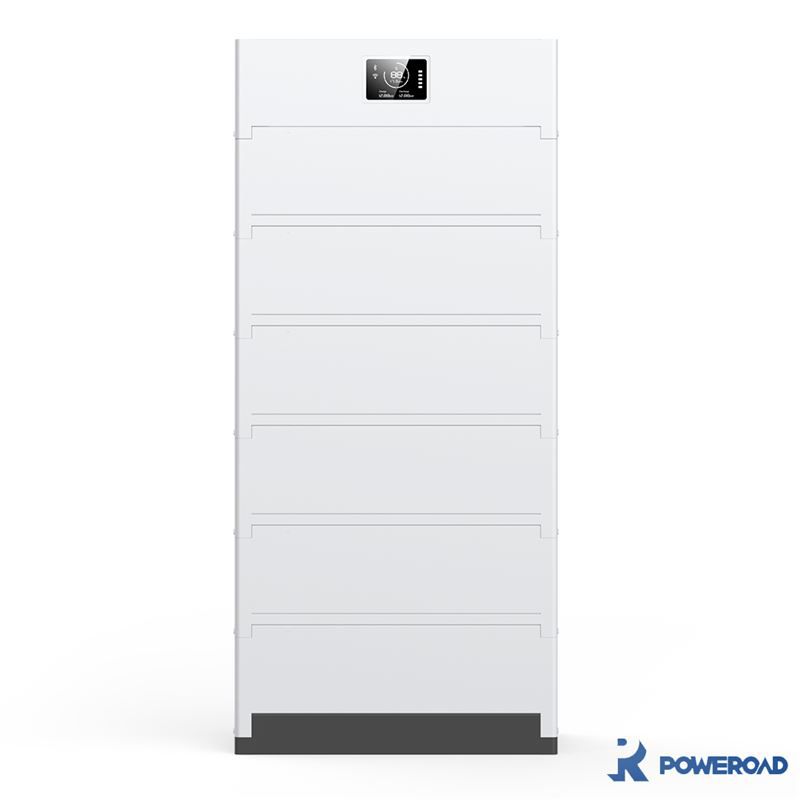
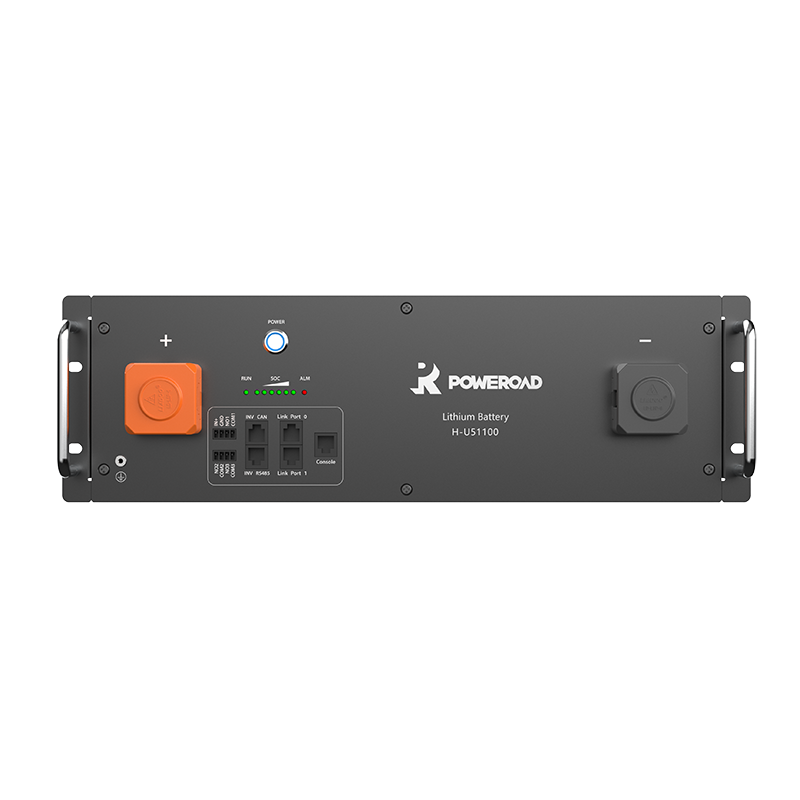
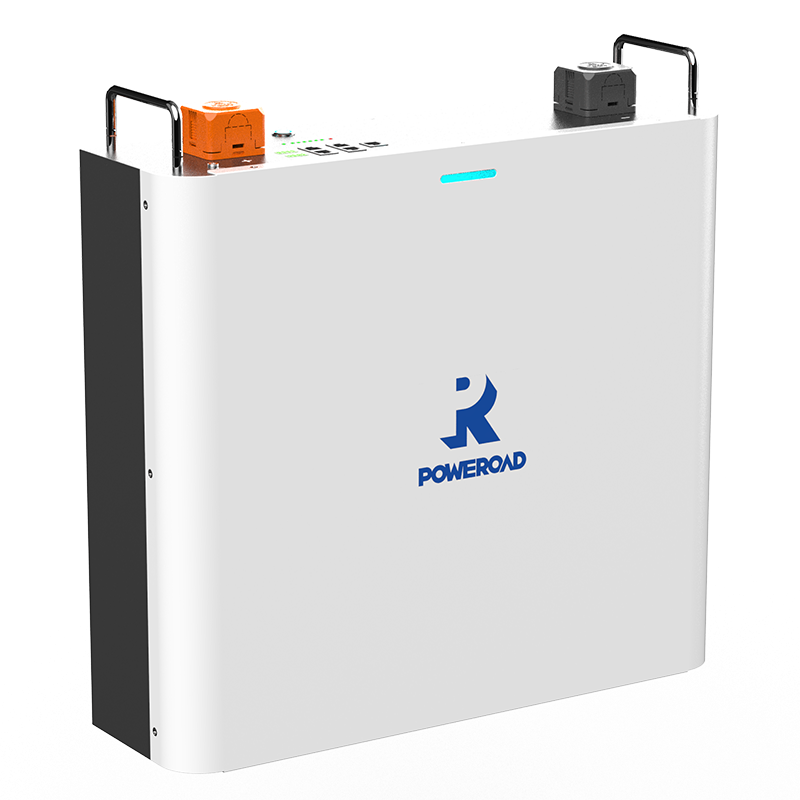
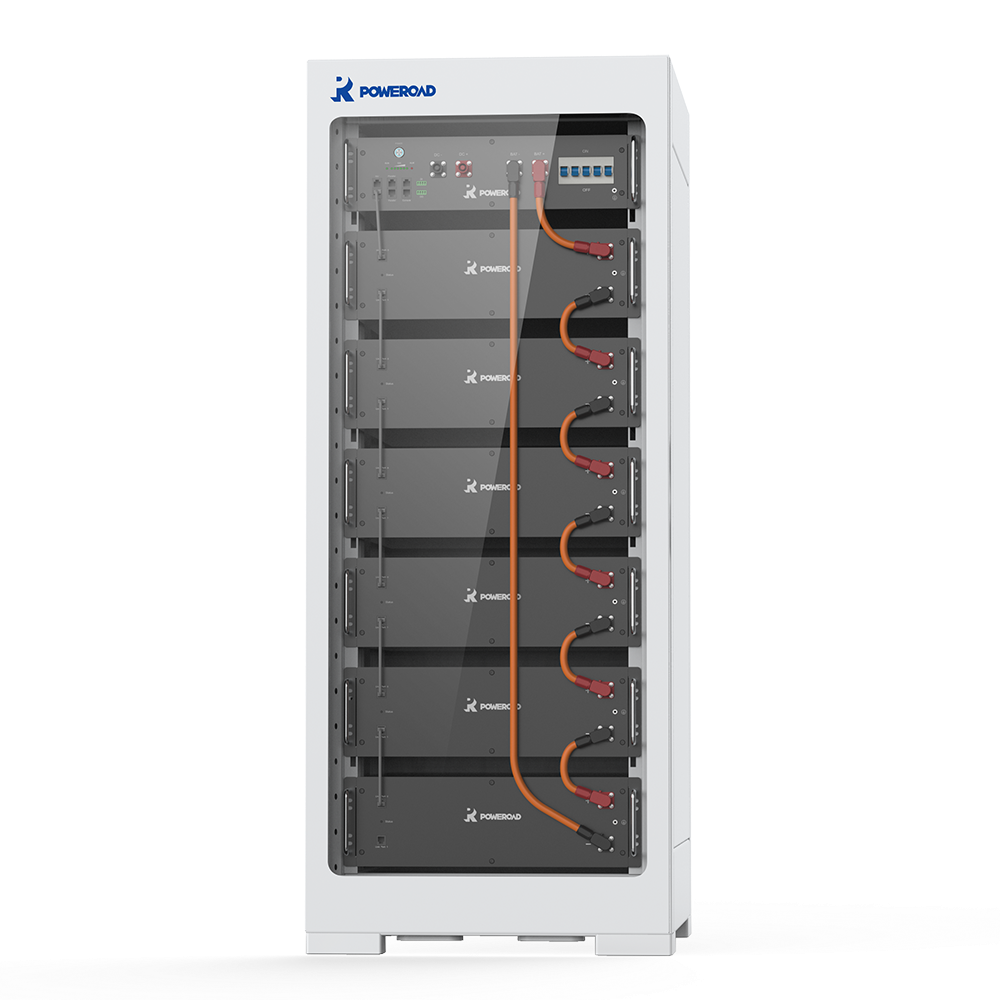
The necessity for environmentally friendly and sustainable energy solutions has grown in the modern world. As a result, a lot more homes are starting to think about diesel generator options. Lithium battery storage for homes is such a solution that has many uses and advantages. This article will look into the history of this technology, some of its potential uses, and emphasize the advantages it has for homes.
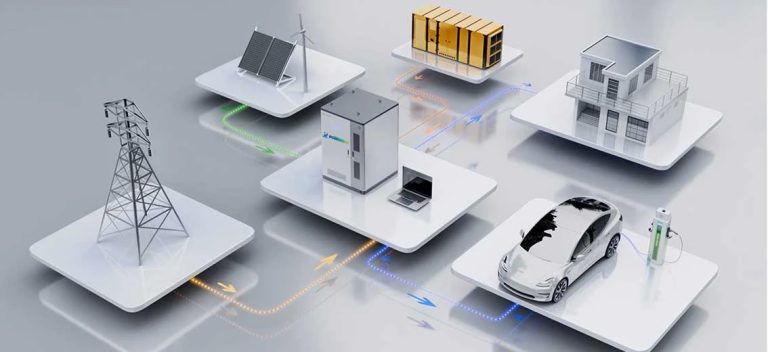
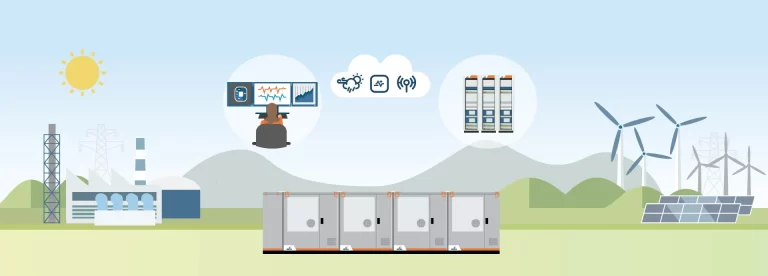
Because lithium batteries can store and release energy efficiently, renewable energy sources like solar or wind turbines are used by lithium battery storage systems, in contrast to diesel generators that burn fossil fuels and release toxic greenhouse gases. These systems give homes a dependable and sustainable power supply by storing extra energy produced during the day and releasing it when needed.
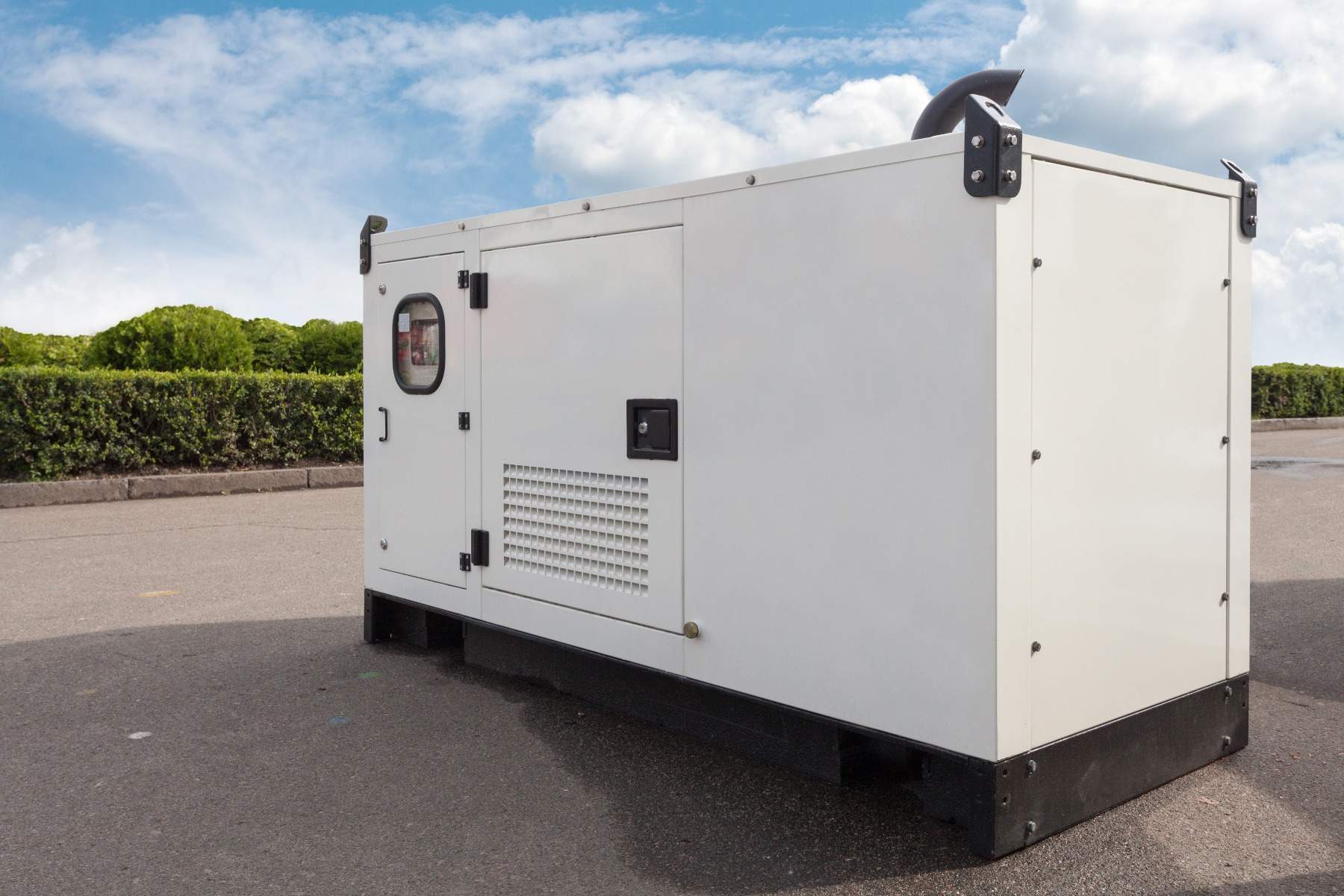
Here are some common application scenarios for lithium battery storage systems to replace traditional diesel generator:
Application Scenario 1: Living Off the Grid
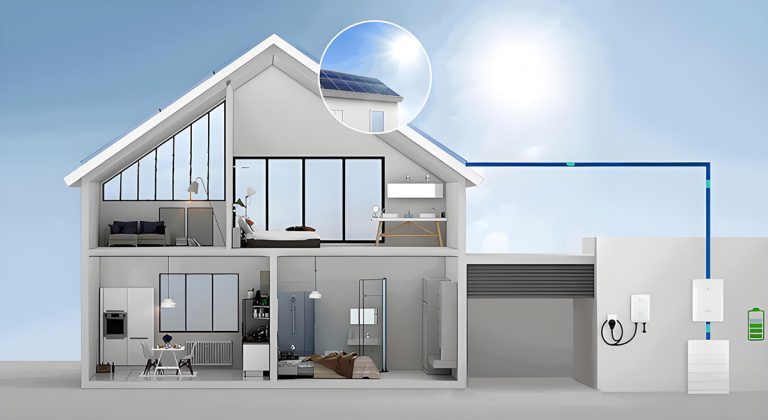
Living off the grid is one of the main uses for domestic lithium battery storage. Since many isolated places are cut off from the conventional power system, diesel generators are the preferred choice. These generators do, however, produce pollutants, need frequent recharging, and are noisy. A lithium battery storage system can be installed to help residents achieve energy production self-sufficiency. Wind turbines or solar panels can produce electricity during the day, and lithium battery systems store excess energy generated during the day and release it when needed, providing a reliable and sustainable power source for households.
Application Scenario 2: Backup Power
As a backup power supply, lithium battery storage is another typical situation where it works well. Diesel generators are frequently used to supply electricity during blackouts or other situations. These generators can be noisy and polluting, and they need fuel and routine maintenance. Lithium battery storage systems, on the other hand, may smoothly transit to backup power without producing any noise or pollutants. This guarantees a steady supply of electricity for necessary appliances and gadgets, giving comfort in the event of unanticipated events.
Application Scenario 3: Load Shifting
Using stored energy during periods of peak demand when power rates are higher, which is known as load shifting. Households can reduce their dependency on the grid during costly peak periods by shifting their energy consumption to off-peak hours by implementing a lithium battery storage system. This contributes to a more stable and effective energy system by saving money and lessening the load on the power grid.
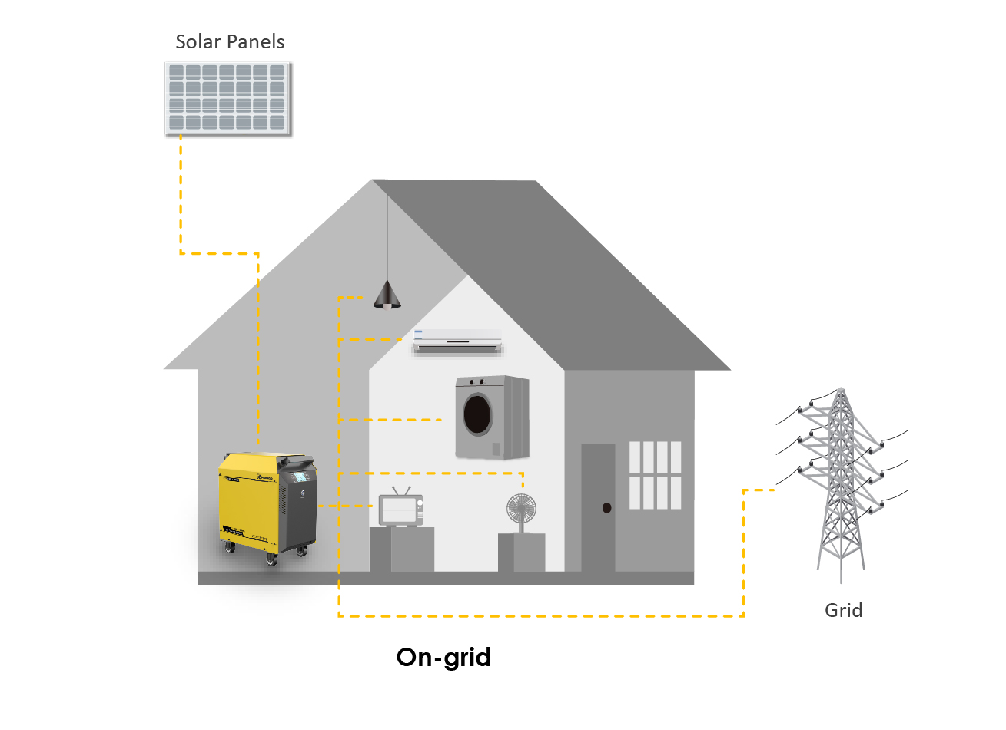
Advantages:
Firstly, Environmental Friendliness: Compared to diesel generators, lithium battery storage systems emit no pollutants, making them a more environmentally friendly option. Households may greatly lower their carbon footprint and help create a cleaner world by relying less on fossil fuels.
Secondly, Cost Savings: Although a lithium battery storage system may require a larger initial investment than a diesel generator, there will be significant long-term cost savings. Households can lower or completely eliminate their electricity expenses by using renewable energy sources as inputs, which can result in large savings over time.
Thirdly, Noise Reduction: Residential areas are disturbed by diesel generators’ infamous noise pollution. While lithium battery storage systems, runs quietly and guarantees a calm and quiet atmosphere for homes and their neighbors.
Fourthly, Durability and Maintenance: Oil changes, filter replacements, and engine inspections are among the routine maintenance tasks needed for diesel generators. On the other hand, home users can easily operate lithium battery storage systems because they require little maintenance. Furthermore, these systems are more durable than diesel generators.
Fifth, Energy Independence: Households can attain energy independence by using lithium battery storage and renewable energy sources. This guarantees a constant power supply even in the event of grid outages or fuel shortages, in addition to fostering a sense of self-sufficiency.
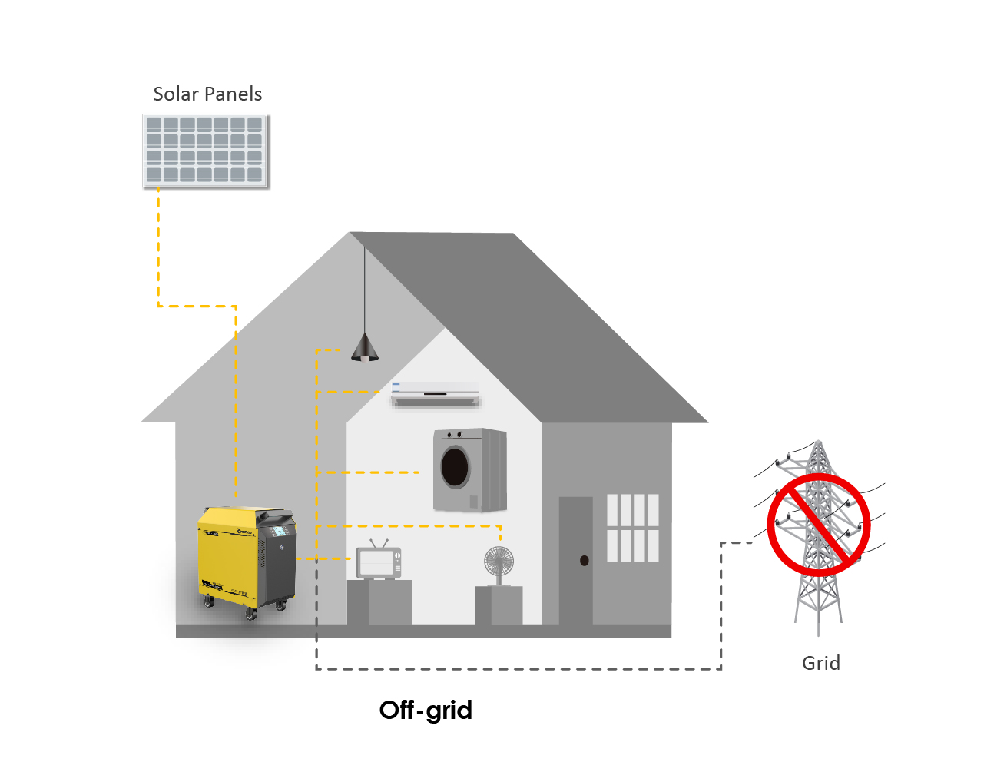
In conclusion, lithium battery storage systems for homes provide an effective and environmentally friendly substitute for diesel generators. Households are rapidly adopting these systems due to their energy independence, low maintenance requirements, noise reduction, cost savings, and environmental friendliness. Whether used for load shifting, backup power, or off-grid living, lithium battery storage offers a dependable and environmentally responsible answer for a sustainable future. Adopting this technology allows homes to benefit from a dependable and effective power source while also making a positive environmental impact.
Related Products